Feed Processing ·
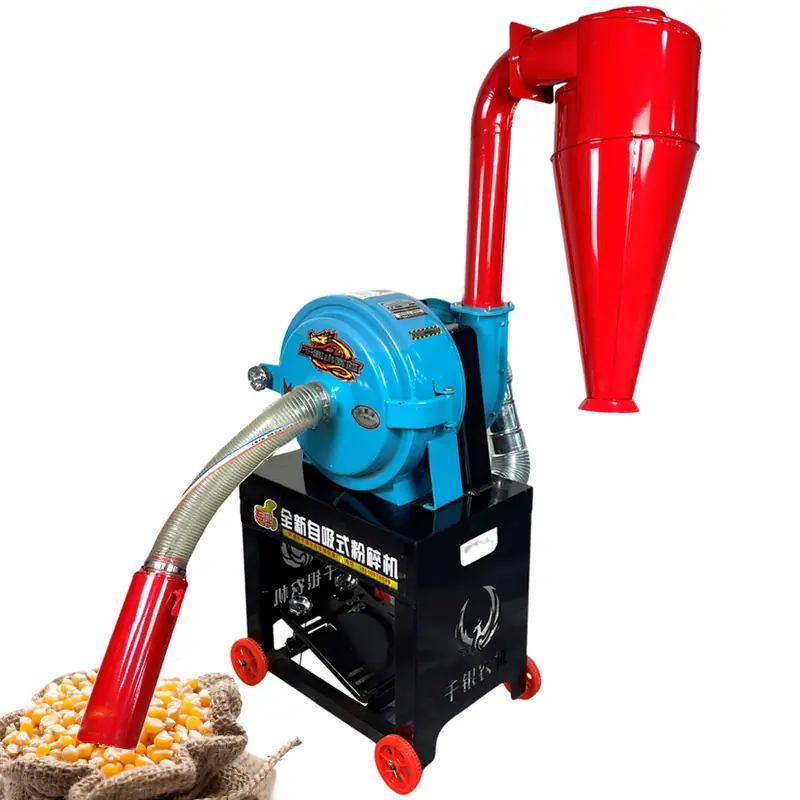
Hammer Mill vs Roller Mill for Animal Feed: Which Should You Buy?
How hammer mills and roller crushers work, what particle sizes they produce, and which animals and feed types each one suits.
Read articleBuying Guides
Work out the capacity you really need, pick the right power source and blade system, and avoid the five most common chaff cutter buying mistakes.
Quick answer
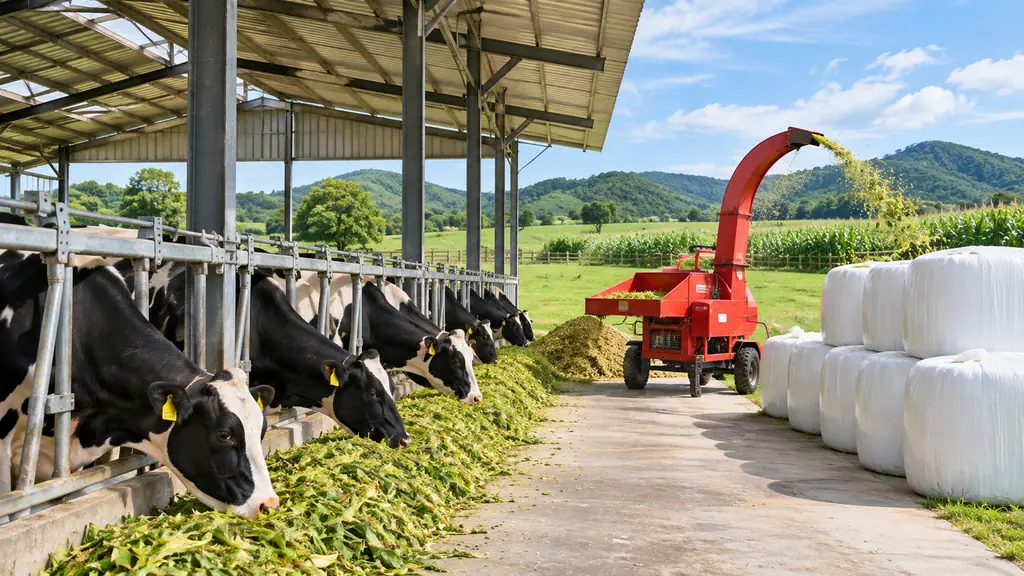
Choose a chaff cutter by daily forage demand (about 25–35 kg fresh fodder per cow per day), the power you have available (three-phase electric is cheapest to run; diesel for off-grid), and the material: flat-feed 9ZT models for mixed wet and dry forage, 9ZP disc models with a blower for high-volume silage.
Rated capacity is measured with ideal material — fresh, evenly fed green grass. Dry straw and thick corn stalk reduce real throughput by 30–50%. A practical sizing rule:
| Herd | Fresh forage / day | Suggested machine |
|---|---|---|
| 10–30 goats or 5–10 cows | 0.2–0.4 t | 1–1.8 t/h, 220 V |
| 30–80 cows | 1–2.5 t | 3–4.8 t/h |
| 100–300 cows / silage making | 3–10 t | 6 t/h 9ZP |
| Feedlot or contractor | 10 t + | 12 t/h automatic feed |
Aim to finish a day's chopping in 1–2 hours. A machine that runs all day wears faster and ties up labour.
Flat-feed 9ZT machines use feed rollers that draw material across a cutting drum. They handle mixed wet and dry material and often include a grain-grinding chamber. 9ZP disc machines mount blades on a heavy flywheel that also throws chopped forage up a discharge pipe — ideal for filling carts and silage pits with high volume and low power use.
Look for hardened manganese or martensitic stainless blades that can be reground. Four to six blades is typical. Chop length of 1–3 cm suits silage and cattle; 0.5–1 cm reduces waste for sheep and goats. Feed rollers with a spring-loaded top roller cope better with uneven bundles.
Before you request a quotation, prepare: herd size and species, main materials, available power (voltage, phase, frequency), required chop length and whether you also need grain grinding. Our engineers will recommend a model within one working day.
Need advice?
Describe your situation and we'll recommend equipment — free, within one working day.
Keep reading
Feed Processing ·
How hammer mills and roller crushers work, what particle sizes they produce, and which animals and feed types each one suits.
Read article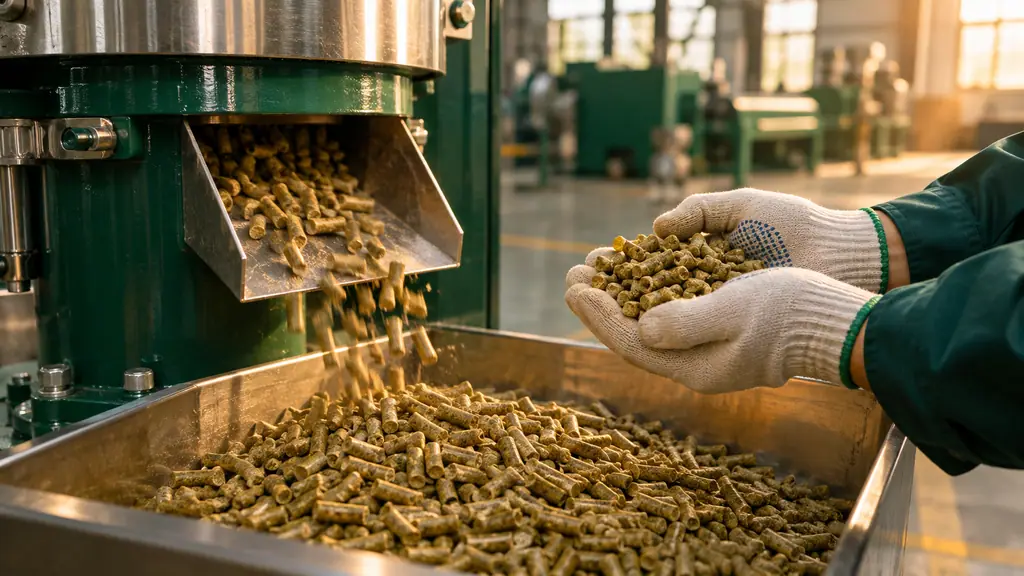
Feed Processing ·
The machines, floor plan, power supply and process steps for a 300 kg/h to 2 t/h animal feed pellet plant.
Read article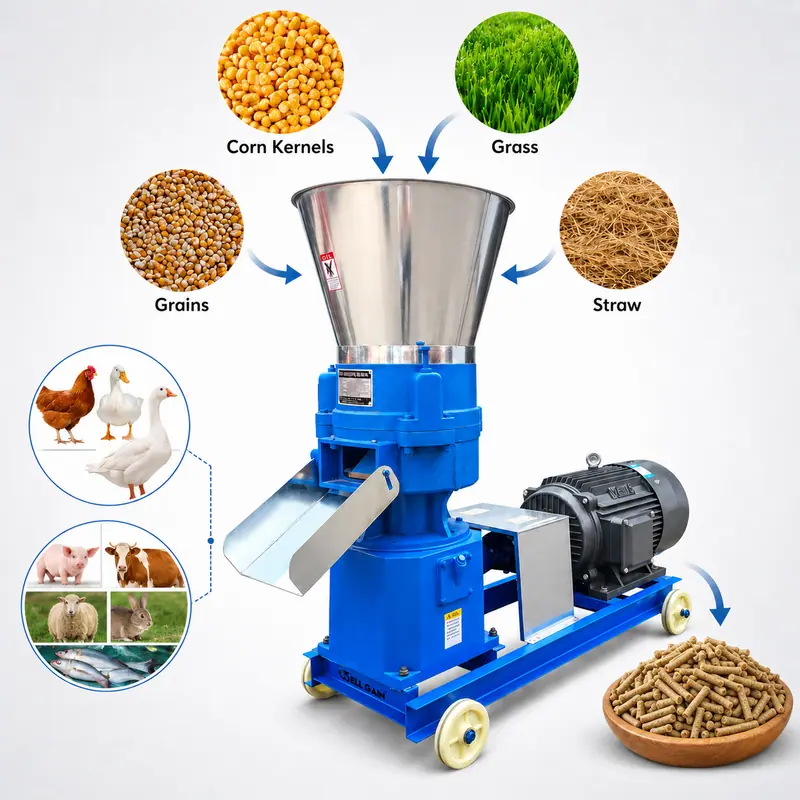
Feed Processing ·
Recommended pellet diameters for chicks, layers, broilers, rabbits, pigs, sheep, cattle and fish — plus how die thickness affects pellet hardness.
Read article